The Golden Road
Issue 1 — Winter 1984
-
Dear Reader p. 3
The debut issue's letters column collects early subscriber reactions, song-lyric questions, and personal stories of getting "on the Bus" with the Grateful Dead.
-
Blair Jackson traces the original sources behind the Grateful Dead's eclectic catalog of cover songs, from Marty Robbins' "El Paso" and Chuck Berry's "Around and Around" to Reverend Gary Davis's "Samson and Delilah" and Henry Thomas's "Don't Ease Me In," arguing the band's borrowings reveal a recurring theme of characters on the run from hard luck.
-
A comprehensive compilation of Grateful Dead set lists from the spring, summer, and fall 1983 tour.
-
Blair Jackson interviews blues songwriter Willie Dixon by phone about the origins of "Wang Dang Doodle," covered by Howlin' Wolf and later the Dead, including the real-life nicknamed characters and a wild South Mississippi dance-hall memory behind the lyrics.
-
Tape Traders p. 30
A free classified-ad listing service for Golden Road subscribers seeking to trade Grateful Dead concert tapes.
Issue 2 — Spring 1984
-
Dear Reader p. 3
The letters column collects reader reactions to the debut issue, tape-trading talk, and personal Dead Head stories.
-
Blair Jackson and Regan McMahon profile the Grateful Dead's lighting design, interviewing Morpheus Lights' crew about working with publicity-shy lighting designer Candace Brightman, the band's nightly-changing light plot, and named effects like "The Greek" and "The Rainbow Position."
-
Blair Jackson surveys the nascent hobby of collecting Grateful Dead videotapes, covering VCR and tape-stock basics and reviewing notable available footage including the Closing of Winterland broadcast, the Showtime special, and various TV interview appearances.
-
David Gans presents a long-unpublished 1981-82 interview with Phil Lesh, who discusses his classical and jazz influences (Varese, Schoenberg, Beethoven, Coltrane), how the band members essentially "learned their axes" together, and the musical chemistry that let the Dead's disparate personalities mesh.
-
Blair Jackson pans Robert Nichols's self-published book on the Dead's 1978 Egypt trip as shallow and poorly written, warning readers the $10 price isn't worth the thin, anecdote-free account.
-
Blair Jackson continues his series tracing the Grateful Dead's cover songs to their sources, this issue covering "Next Time You See Me" (Junior Parker), "Revolution" (The Beatles), and the Dead's preferred title for "Peggy-O"/"Fennario."
-
A statistics column tallies the Grateful Dead's most-played songs and setlist patterns of 1983 and reports the band's surprisingly high concert-grossing rank for the year.
-
Tour '84 p. 31
Detailed annotated set lists and behind-the-scenes notes from the Grateful Dead's spring 1984 tour, including shows at the Marin Civic Center, the Aladdin Theatre in Las Vegas, and Irvine Meadows.
Issue 3 — Summer 1984
-
Dear Reader p. 3
The letters column collects subscriber feedback, tour-cancellation gripes, and Dead Head road stories.
-
A news roundup covers the Dead's disrupted September 1984 tour plans, a rare Garcia/Kahn acoustic show at the Kabuki Theatre, Mickey Hart's Music of Upper and Lower Egypt project, and a remembrance of Rodney Albin, an early Dead-circle musician and club owner who died of cancer.
-
Blair Jackson and Regan McMahon interview poster artist Alton Kelley at his Marin County home about his self-taught path from car-mechanic and Virginia City dance-hall days with The Charlatans to designing the Dead's most iconic album covers and posters with longtime partner Stanley Mouse.
-
A review of The Ghosts/Heart of Gold Band's posthumous Keith Godchaux tribute album, praising guitarist Steve Kimock's playing and Donna Godchaux's vocal turn on Dylan's "Solid Rock."
-
A news item reports that Brent Mydland previewed solo-album material, including the unreleased song "Tons of Steel," during a Toronto broadcast set break.
-
Annotated Grateful Dead set lists and commentary from early-1984 tour dates, noting a predictable "Throwing Stones"-"Not Fade Away" closing pattern that had become a running fan complaint.
-
Blair Jackson profiles former Dead keyboardist Tom Constanten, tracing his avant-garde music education under Luciano Berio and Henri Pousseur, his Air Force years secretly trading psychedelics in Las Vegas, his prepared-piano contributions to Anthem of the Sun, and his eventual 1970 departure from the band over friction surrounding his Scientology practice.
-
Blair Jackson continues the cover-songs series with Traffic's "Dear Mr. Fantasy" (including a phone interview with co-writer Jim Capaldi on the song's origin), Rufus Thomas's "Walking the Dog," and Leadbelly's "Goodnight Irene."
-
Tape Traders p. 34
The free classified-ad tape-trading service continues for Golden Road subscribers.
Issue 4 — Fall 1984
-
A news roundup covers Berkeley Community Theatre tour dates, a new taper's section installed after etiquette disputes, a Rodney Albin memorial benefit featuring Garcia and Kahn, Tom Constanten's solo piano club tour, a fatal Rainbow Bus crash on the Midwest tour, and Phil Lesh's marriage to Jill Johnson.
-
Blair Jackson profiles Eileen Law, the Grateful Dead organization's longtime liaison to Dead Heads, covering her work running the Hotline and 90,000-name mailing list, her dream of a Grateful Dead museum, and the history of the band's old mimeographed newsletters, including Robert Hunter's surreal "Hypnocracy Papers" comic serial.
-
Mary Eisenhart interviews Robert Hunter at length about his literary influences (Proust, Spenser, Kerouac), his urban novel-in-progress Amagamalin Street, his Catholic upbringing, and the particular way he tailors lyrics for Garcia's voice versus his own.
-
Regan McMahon collects letters from subscribers across professions (an oral surgeon, an attorney, an MIT geologist, a Du Pont research chemist) describing how being a lifelong Dead Head coexists with mainstream careers and even shapes their work philosophy.
-
Annotated set lists from the Dead's summer 1984 tour highlight a 15-minute "Dark Star" with space-fantasy slides at Berkeley's Greek Theatre and a rare desert rainstorm during "Franklin's Tower."
-
Blair Jackson surveys the Grateful Dead's seldom-discussed 45 rpm singles catalog, detailing the often-clumsy radio edits made to songs like "Truckin'" and "Uncle John's Band" in failed pursuit of a hit.
-
Blair Jackson continues the cover-songs series with the Beatles' "Why Don't We Do It In The Road," Elvis's "That's All Right," Gary U.S. Bonds' "New Orleans," and the Coasters' "Hog For You Baby."
-
The Dead On Film, Part I p. 33
Reader-submitted sightings of Grateful Dead memorabilia in movies and TV shows, including a Garcia poster in The Eyes of Laura Mars and Dead shirts in D.C. Cab and Simon & Simon.
-
Tape Traders p. 37
The free classified tape-trading service continues for Golden Road subscribers.
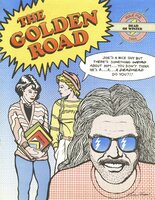
Issue 5 — Winter 1985
-
A news roundup covers Mickey Hart's Music of Upper and Lower Egypt and Sarangi: Music of India mail-order album releases, plans for a 20th-anniversary video, and the forthcoming David Gans/Peter Simon book Playing in the Band.
-
Blair Jackson profiles Grateful Dead soundman Dan Healy at his Garberville, CA radio station KERG, tracing Healy's path from a childhood tinkering with radios through meeting the Dead via John Cipollina at a Fillmore Quicksilver show and pioneering the band's Wall of Sound and taper-friendly mixing philosophy.
-
Part one of a 20th-anniversary oral history collects vignettes from Peter Albin, George Hunter, and John Cipollina about the Dead's earliest days — the Chateau house parties in Menlo Park, the Olompali ranch, playing behind strippers at Pierre's, and a cowboys-and-Indians blank-gun game on the 1968 Northwest tour.
-
Daniel Hupert explains music copyright basics for tape collectors and argues against a proposed Congressional blank-tape royalty tax that would penalize Dead Head tapers who record live shows rather than albums.
-
Annotated fall 1984 tour set lists cover the intimate six-night Berkeley Community Theatre run, a Halloween show with costumed band members, and a New Year's run shadowed by the death of crew member Steve Parish's wife and daughter.
-
Melvin, Jackie & Gloria p. 27
Blair Jackson and Regan McMahon interview Jerry Garcia Band keyboardist Melvin Seals and backup singers Jackie LaBranch and Gloria Jones about the group's deep black-church gospel roots and how songs like "Like A Road" and "Don't Let Go" channel that tradition.
-
Blair Jackson continues the cover-songs series with Blind Willie Johnson's "Nobody's Fault But Mine," Van Morrison's "Gloria," Lightnin' Hopkins' "Ain't It Crazy," and two Willie Dixon/Howlin' Wolf numbers, "Down in the Bottom" and "I Ain't Superstitious."
-
Blair Jackson surveys the growing scene of bar bands across the country playing Dead-inspired improvisational rock, profiling Philadelphia's Living Earth, Pittsburgh's Sandoz, the disbanded Cleveland group Cats Under the Stars, and Minneapolis songwriter Paul Metsa.
-
More reader-submitted sightings of Grateful Dead references in film and television, including WKRP In Cincinnati, Saturday Night Live's Connie Conehead, and a Blues for Allah LP visible in an episode of All in the Family.
-
Tape Traders p. 41
The free classified tape-trading service continues for Golden Road subscribers.
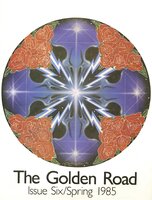
Issue 6 — Spring 1985
-
A news roundup reports the facts of Jerry Garcia's January 1985 Golden Gate Park drug arrest and his court-ordered diversion program, alongside Deadhead computer bulletin boards and a song-list hotline.
-
The Twilight Zone p. 7
Blair Jackson and Regan McMahon interview a hoarse-voiced Jerry Garcia about scoring music for the new Twilight Zone TV series, his decades-long quest to film Kurt Vonnegut's The Sirens of Titan, and his skeptical take on MTV-era music video editing.
-
Blair Jackson interviews Donna Jean (Godchaux) MacKay at her Petaluma home about her path from Muscle Shoals session singer backing Aretha Franklin and Elvis Presley to nearly a decade fronting vocals for the Grateful Dead, and her new life as a devoted Christian and mother.
-
The second installment of the 20th-anniversary oral history collects road stories from 1970-75, including a softball game at a Crusader-era English chapel, Dead Records executive Steve Brown's account of FBI help fighting Wake of the Flood bootleggers, and a border-crossing pot scare in Europe.
-
Farewell To Pigpen p. 26
A tribute marking Ron "Pigpen" McKernan's March 1973 death prints the lyrics to a late, little-known Pigpen blues composition alongside a remembrance from Phil Lesh.
-
Annotated set lists cover the Dead's Chinese New Year shows at the Henry J. Kaiser Convention Center and a cathartic "Truckin'" performed days after Garcia's drug arrest.
-
Regan McMahon previews David Gans and Peter Simon's oral-history book Playing in the Band, describing how Gans wove decades of interview quotes from band members into thematic "conversations" without disclosing their original dates or sources.
-
Blair Jackson tracks down Dave Hassinger, the Grateful Dead's first album producer, who recalls recording their self-titled debut in under a week and the workmanlike sessions for Anthem of the Sun that ultimately ended in his departure from the project.
-
Blair Jackson continues the cover-songs series with Jimmy Reed's blues catalog, the novelty tune "Big Boy Pete," Steve Winwood's teenage composition "Gimme Some Lovin'," and the Beatles' "Day Tripper."
-
A reader-sourced directory lists regional bands across the country playing Dead-inspired sets, including Max Creek in Connecticut, Jake's Leg in St. Louis, and Yowzah! in Grand Rapids.
-
Tape Traders p. 41
The free classified tape-trading service continues for Golden Road subscribers.
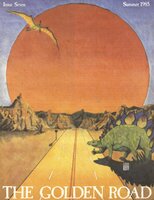
Issue 7 — Summer 1985
-
News roundup covers a secret three-day video shoot at the Marin Civic Auditorium, a Tibetan monk chanting performance arranged by Mickey Hart, Bill Graham's Bitburg protest and the subsequent arson of his offices, and Garcia's new Modulus Graphite guitar.
-
Press Conference p. 9
Blair Jackson and Regan McMahon transcribe a chaotic, joke-filled full-band press conference held before a Greek Theatre show, with the band deflecting questions about their 20th anniversary, drugs, and their children's lack of interest in following them into music.
-
Annotated set lists cover the band's 20th Anniversary Greek Theatre run and subsequent spring/summer tour stops including Blossom, Merriweather Post Pavilion, and Alpine Valley.
-
A newly unearthed 1967 interview, recorded at 710 Ashbury just before the Dead's debut album, finds a 24-year-old Garcia discussing his shift from bluegrass banjo to electric guitar, the cooperative ethos of the early San Francisco music scene, and his ambivalence about the Vietnam War.
-
Mountain Girl, dentist/friend-of-the-band Bernie Bildman, and Donna Godchaux MacKay recall the Dead's legendary 1978 concerts beside the Great Pyramid, including planting a skull-and-lightning-bolt flag atop Cheops and a three-day Nile boat trip after the shows.
-
A photo spread of the band from the mid-to-late 1970s, part of the ongoing 20th-anniversary retrospective.
-
Blair Jackson traces the Dead's cover songs to Derek and the Dominos' "Keep On Growing," Dylan's "She Belongs to Me," the Memphis Jug Band's "Cocaine Habit Blues," and the Delta blues lineage of "Walking Blues" through Son House, Robert Johnson, and Willie Dixon.
-
A reader-sourced roundup of Grateful Dead references spotted on television, including Saturday Night Live, Star Search, and a misquoted Trivia Trap question about what Deadheads call themselves.
-
Funstuff p. 39
The recurring trivia and reader-submitted oddities page, including a Deadhead hair salon and a "Grateful Dead Special" menu item.
-
Tape Traders p. 41
The free classified tape-trading service continues for Golden Road subscribers.
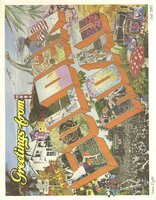
Issue 8 — Fall 1985
-
News roundup covers Mickey Hart's back surgery forcing canceled Northwest dates, Ron Rakow's federal mail-fraud indictment over an $80 million pyramid scheme, the Kokomo side project featuring Bill Kreutzmann and Brent Mydland, and details on Mickey Hart's sound design for the new Twilight Zone TV series.
-
A wide-ranging interview at Graham's Marin home finds the veteran promoter reflecting on 20 years of producing Dead shows, the band's uniquely democratic organization, their quiet history of benefit concerts, and his dream of pairing them on bills with artists like Talking Heads or King Sunny Ade.
-
Annotated set lists and reviews cover the summer 1985 West Coast tour, including a smoke-hazed Ventura "Fire on the Mountain" during the California wildfires, a lackluster Boreal Ridge show, and a transcendent Red Rocks run capped by a spontaneous full-band singalong of "Hey Jude" inside "Dear Mr. Fantasy."
-
Holiday Gift Guide p. 21
A satirical mail-order catalog spoofs Deadhead consumer culture with fake products including McDonald's "Life of Pigpen" glasses, asbestos tape-trading gloves, bottled Avalon Ballroom acid punch, and bootlegged Army surveillance tapes of the band.
-
A rare interview with reclusive animator Gary Gutierrez traces his career from The Grateful Dead Movie's psychedelic opening sequence through The Right Stuff and Twilight Zone, including his work with Garcia on storyboards for a still-unmade Sirens of Titan film.
-
A photo spread spanning the Warfield Theatre's 1980 acoustic/electric run through the 1982 US Festival and the band's secret 1985 Marin video sessions.
-
Blair Jackson traces Robert Hunter's "Stagger Lee" through the song's roots in Mississippi John Hurt's blues tradition and 1950s pop covers, including Hunter's account of inventing the character of Delia and Garcia's recasting of the lyrics into a vaudeville-tinged arrangement for Shakedown Street.
-
A comprehensive discography of session and production work by individual Dead members on other artists' albums, spanning Jefferson Airplane's Surrealistic Pillow, David Bromberg, the New Riders, Tom Fogerty, and dozens of other 1970s-era records.
-
Funstuff p. 39
The recurring reader-trivia and oddities column, including a judge who banned a Houston teen from attending Dead shows as part of a drug sentence and reports on a mysterious plasma-sculpture orb used during the spring tour's drum solos.
-
Tape Traders p. 42
The free classified tape-trading service continues for Golden Road subscribers.
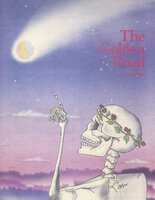
Issue 9 — Winter 1986
-
News roundup covers the first national cable broadcast of a Dead New Year's show, Bill Graham's 20th-anniversary party at the original Fillmore reuniting San Francisco scene veterans, Mickey Hart's account of the back injury behind his surgery, and the death of MIKEL newsletter publisher Michael Linah.
-
Lighting designer Candace Brightman traces her path from the Fillmore East and the Capitol Theatre to fifteen years lighting the Grateful Dead, describing her philosophy of illuminating the audience as much as the band and her embrace of computer-controlled Panaspot lights.
-
A detailed review of the fall 1985 tour covers gate-crashing incidents and mounted-police violence in Richmond, a sold-out run through Boston and Rochester, and the season-ending New Year's shows featuring an opening set by Nigerian drummer Olatunji.
-
A rare sit-down with Bob Weir, conducted on short notice at the Dead's Marin studio, covers the genesis of "Throwing Stones," his growing comfort and confidence onstage after fifteen years in the band, his affinity for the blues, and his work with the Rex Foundation and SEVA.
-
A satirical history of a fictional company, American BonesCo, credits absurd money-making schemes -- the "Phil Is Dead" rumor, Bob Weir's auctioned ponytail, a Billy Kreutzmann James Bond campaign, and a synth-pop spinoff band -- with keeping the financially troubled Dead afloat since 1969.
-
A Look Back at 1985 p. 33
Biostatistician and superfan Stu Nixon, who saw 71 of the Dead's roughly 60-plus shows in the 20th-anniversary year, recaps 1985 tour-by-tour and compiles year-end superlatives like Most Hassles Getting In and Most Comfortable Climate.
-
A profile of underground cartoonist Bill Fitts, whose "Sunshine Roses" handbills have been distributed free at West Coast Dead shows for years, accompanied by a selection of his single-sheet cartoons.
-
Blair Jackson traces the disputed authorship of "Kansas City" through Little Willie Littlefield and Wilbert Harrison, and follows Bob Dylan's "Quinn the Eskimo" from the Basement Tapes through Manfred Mann's hit cover to the Dead's own 1985 debut of the song.
-
Deadspeak p. 38
A collection of Garcia and band quotes drawn from SF Chronicle writer Joel Selvin's 20th-anniversary feature, on why the band never plays a song the same way twice.
-
The recurring reader-submitted column of Dead references spotted on television and film, including a letter from Black Flag guitarist Greg Ginn praising the band and an appearance by a Garcia photo on The Twilight Zone.
-
Tape Traders p. 41
The free classified tape-trading service continues for Golden Road subscribers.
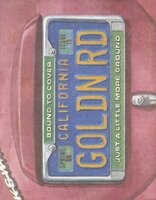
Issue 10 — Spring 1986
-
Dead Dylan p. 6
News report on the newly announced summer 1986 stadium shows pairing the Grateful Dead with Bob Dylan and Tom Petty & the Heartbreakers, plus the rest of the tentative summer and fall tour schedule.
-
John Barlow p. 17
Interview with Grateful Dead lyricist John Perry Barlow, Bob Weir's longtime songwriting partner.
-
A follow-up survey of bootleg audience and in-house videotapes of Dead shows then circulating, including the Winterland 12/31/78 closing, Oakland Coliseum 12/31/85, the Capitol Theater 4/26/77 multi-camera tape, and the legendary Sunshine Daydream film of the 8/27/72 Veneta, Oregon concert.
-
Willie & the Hand Jive p. 34
Interview with R&B bandleader Johnny Otis about writing and recording "Willie and the Hand Jive," later covered by the Grateful Dead, and the song's deep-rooted hambone rhythm.
-
A history of New Orleans' black Mardi Gras Indian tradition and the origins of "Iko Iko," prompted by the Dead and the Neville Brothers playing the song together at the Kaiser Center on Mardi Gras 1986.
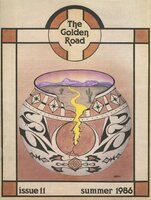
Issue 11 — Summer 1986
-
The editors recount the night of July 10, 1986, when word came that Garcia had been hospitalized in a diabetic coma, the canceled Ventura shows, and the relief as he began to recover.
-
A Grateful Dead Records staffer's recollection of a 1976 wildfire near the band's Records office in San Rafael, while Mickey Hart was still mixing Steal Your Face.
-
A reference feature listing Grateful Dead benefit concerts and beneficiaries since 1965 ("Grateful Dead Benefits"), a state-by-state and country-by-country tally of how many times the band has played each place ("Grateful Geographic"), and a list of guest musicians who have sat in with the band, including John Cipollina, Carlos Santana, Bo Diddley, David Grisman, Janis Joplin, and members of the Neville Brothers.
-
Roots p. 36
The recurring column tracing the original versions behind Dead cover songs, this issue covering Fats Domino's "Sick and Tired" and Bruce Channel's "Hey Baby."
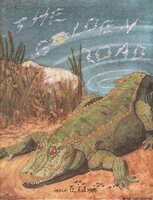
Issue 12 — Fall 1986
-
Transcript of Garcia's first interview since his July 1986 diabetic coma, recorded October 14 at the Grateful Dead ticket office for the second Night of the Living Deadheads benefit; he discusses his recovery, his October 4 comeback gig with the Jerry Garcia Band at the Stone, and his changed outlook.
-
A Day on the Farm p. 20
The editors recount an August 1986 road trip through Oregon to visit Ken Kesey at his Pleasant Hill farm, taken in place of the canceled Red Rocks tour dates, including time spent with Kesey, his wife Faye, and a look back at his Acid Test and Merry Pranksters history.
Issue 13 — Winter 1987
-
The editors announce they're skipping the spring issue and taking a publishing break after three years of putting the magazine out quarterly, pushing renewal dates back accordingly.
-
A history of the Jerry Garcia Band's lineups and musical evolution from its 1975 formation out of the Garcia/Saunders Band and Legion of Mary, through the 1976-78 Keith and Donna Godchaux era, tracing how the band's repertoire and sound changed over time.
Issue 14 — Summer 1987
-
An in-depth look at the Dead's first studio album in seven years, built on interviews with Jerry Garcia, So Far video director Len Dell'Amico, "Touch of Grey" video director Gary Gutierrez, and record co-producer John Cutler, alongside an editorial essay on the band's surging mainstream popularity.
-
Dancers at the Greek p. 1
A photo spread of dancers at a Greek Theater show by Bay Area photographer Jay Blakesberg, part of his ongoing project documenting the scene around Dead shows rather than just the band onstage.
Issue 15 — Fall 1987
-
An editorial on the growing problem of rowdy, drunk crowd behavior at Dead shows, prompted by an October 4, 1987 Shoreline Amphitheater show, and a look at how some venues controlled drinking by cutting off beer sales or moving concessions away from the seats.
-
Brent Mydland p. 28
Brent Mydland's first interview with The Golden Road, after declining the magazine's request every year for four years; he discusses his keyboard rig, his evolving confidence onstage, and his relationship with the rest of the band, including engineer Bob Bralove's work helping him develop his sound.
Issue 16 — Spring 1988
-
The editors announce a subscription price increase to $16 for four issues, and clarify that the magazine, despite the subscription terms, is no longer published strictly quarterly.
-
The Song Goes On p. 28
A profile of Grateful Dead lyricist Robert Hunter built around a rare interview at his Marin home, surveying the range of his songwriting and discussing his new solo album, Liberty, on Relix Records, and his frustration that his solo work doesn't sell.
Issue 17 — Summer 1988
-
An editorial urging readers to register and vote against another term of Reagan-Bush policies in the upcoming 1988 presidential election.
-
Jon McIntire p. 15
An interview with Jon McIntire, the Grateful Dead's de facto manager, about his decades on the business and road-managing side of the organization and his perspective on the band's way of doing things.
Issue 18 — Fall 1988
-
The editors reflect on a year of unusually rich musical experiences in 1988, on and off the Dead tour, from street musicians in Europe to tape-trading discoveries.
-
An interview with Jerry Garcia at the Dead's Marin County headquarters, an informal, wide-ranging conversation touching on his public image and the band's current state.
Issue 19 — Spring 1989
-
A meditation on the "Dead Arts" -- the parking-lot T-shirts, stickers and crafts inspired by the band -- and the many personal levels of creative expression the Grateful Dead scene has produced.
-
A look back at the 1987 Dylan/Dead stadium tour and rehearsal tapes in light of the new Dylan & the Dead live album, including songs performed but left off the record and Dylan's later sit-in with the Dead at the L.A. Forum on February 12, 1989.
Issue 20 — Summer 1989
-
An editorial on rediscovering the thrill of unfamiliar music, sparked by a show from Edie Brickell & New Bohemians that reminded the writer of the unpredictability of his earliest Dead shows.
-
Beating the Planet Drum p. 16
A review of Mickey Hart's April 21, 1989 world percussion summit "Planet Drum" at Marin Veterans' Auditorium, featuring Airto, Babatunde Olatunji, Zakir Hussain, Hamza El-Din, and other master drummers.
-
Catching Up p. 18
An interview with Bob Weir at the Dead's Club Front studio in San Rafael during mixing sessions for what would become Built to Last, discussing the recording process and his song "Victim or the Crime."
Issue 21 — Fall 1989
-
An editorial reminiscing about discovering the Dead and the San Francisco music scene through Rolling Stone and The Electric Kool-Aid Acid Test in the early '70s.
-
An Interview with Garcia p. 10
An interview with Jerry Garcia discussing the band's mainstream success following In the Dark and Built to Last and how it has changed the scene.
-
A profile of Polish-born stage designer Jan Sawka, creator of the massive multicolored banner-and-screen stage set for the Dead's 1989 tour, tracing his path from Poland's avant-garde art scene to designing for the band.
-
A rare in-depth profile and interview with drummer Bill Kreutzmann, who has historically avoided press attention, covering his early influences, his time as the Dead's sole drummer during the Acid Test era, and his life away from the rest of the band.
Issue 22 — Spring 1990
-
The editors announce plans to publish three more issues, through #25, before taking an indefinite hiatus after seven years.
-
An interview with Ken Kesey about his Key-Z Productions videotapes drawn from Merry Prankster footage, including one centered on Neal Cassady that incorporates a screenplay staging a mock trial of Cassady's spirit using interviews with people who were on the bus.
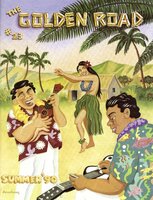
Issue 23 — Summer 1990
-
The editors mourn the loss of the Bay Area's classic Dead venues (Kaiser Convention Center, Greek Theater, Frost Amphitheater) to crowd-size pressures, and introduce cover artist Robert Armstrong's Hawaiian-themed cover illustration.
-
News roundup covering the Nelson Mandela rally at Oakland Stadium (Mickey Hart, Olatunji, Garcia and Weir performing in the opening drum procession); plans for historic Dead CD releases (Phil Lesh/John Cutler producing a live album from Club Front 24-tracks, Dan Healy's vault-to-CD archiving project, Bob Bralove's Rhythm Devils/Space compilation); spring tour recap and the upcoming first European tour since 1981; book-world news (Mickey Hart's Drumming at the Edge of Magic, Ken Kesey's The Further Inquiry, Robert Hunter's Box of Rain lyrics collection, Citadel Underground reissues including Garcia: A Signpost to New Space); the death of drummer Eddie Moore; Jerry Garcia Band's first Hawaii shows; and benefit concert news (Brian Willson benefit, Weir & Wasserman at Earth Day).
-
A review of Branford Marsalis's March 29, 1990 sit-in with the Dead at Nassau Coliseum, followed by a phone interview with the saxophonist about his career, his admiration for the band's musicianship, and his experience playing "Bird Song," "Eyes of the World," and "Dark Star" with them.
-
An extensive interview with Phil Lesh at the Dead's Club Front studio, covering his renewed musical engagement with the band since Garcia's recovery, producing the upcoming live album with John Cutler, his MIDI bass setup, his role in arranging Branford Marsalis's Nassau sit-in, his work on Built to Last, the history of "Unbroken Chain" (co-written with Bobby Peterson), and his philosophy on improvisation and "Dark Star."
-
Multi-author tour-review roundup with full set lists from the Dead's spring 1990 tour, covering Capital Centre, Hartford, Copps Coliseum (Hamilton, Ontario), Knickerbocker Arena (Albany), Nassau Coliseum (including Branford Marsalis's two sit-in shows), Atlanta, and the June Cal Expo/Shoreline Amphitheater run.
-
Funstuff p. 39
A humor grab-bag: a Ken Babbs short story imagining Jerry Garcia at an Aoxomoxoa-era photo shoot crossing paths with Zap Comix printers and a visiting Led Zeppelin; and "The Grateful Dead Family Album: The Outtakes," a parody photo spread of fake captioned childhood/historical photos riffing on Jerilyn Brandelius's real photo book The Grateful Dead Family Album.
-
The recurring column tracing the original versions behind Dead and Garcia Band cover songs, this issue covering The Band's "The Weight," Roy Hamilton's "Don't Let Go," and Bobby Darin's "Artificial Flowers" (covered by Weir & Wasserman).
-
A gossip column covering Devo's environmentally-themed cover of "Morning Dew" on Smooth Noodle Maps, mixed reactions to Built to Last within the band, sports-world Deadhead namechecks, and Dead lawyer Hal Kant's second-place finish in the 1990 World Series of Poker.
Issue 24 — Fall 1990
-
An editorial tribute to Brent Mydland, sharing personal memories of his playing and stage presence while also acknowledging the personal pain and bitterness that shadowed his years in the band.
-
A recap of Brent Mydland's death and funeral, the audition process that led to Vince Welnick (with a history of his band The Tubes) and Bruce Hornsby joining the band, an interview with John Cutler about the new live album Without a Net, and a birth announcement for ticket czar Steve Marcus's daughter.
-
Multi-author tour-review roundup with full set lists from summer/fall 1990 shows at Autzen Stadium (Eugene), Sandstone Amphitheater, Rich Stadium (Buffalo), Deer Creek, Raleigh, and the Madison Square Garden run debuting Bruce Hornsby and Vince Welnick.
-
Barlow's personal eulogy for Brent Mydland and songwriting partner, reflecting on Brent's emotional struggles, their creative partnership, and the helplessness of watching a friend succumb to addiction.
-
Mickey Hart p. 31
An interview with Mickey Hart about his book Drumming at the Edge of Magic and its companion CD At the Edge, his upcoming second book Planet Drum, his philosophy on rhythm, trance states and consciousness, his drumming partnership with Bill Kreutzmann, and his thoughts on the band's evolution.
-
An interview with photographer Herbie Greene about his book Book of the Dead, covering his start photographing the early San Francisco scene (The Warlocks, The Charlatans, Jefferson Airplane), the famous 1969 "Laguna Street" photo session described in Ken Babbs's "The Loft" story, his recovery from alcoholism, and his approach to photographing the band over 25 years.
-
The recurring Roots column tracing "Jackaroe" back through its folk-ballad ancestry ("The Maiden Warrior" tales, American variants like "Jack the Sailor" and "Jack Munroe") to the Joan Baez and Peggy Seeger/Ewan MacColl recordings that influenced the Dead's version.
-
A gossip column covering a Louisiana album-warning-sticker bill that could theoretically target Dead songs, a Kesey/Babbs run-in with a bar over BYO beer in Eugene, Bob Weir's test drive of a borrowed Porsche for Vanity Fair, John Barlow's Mondo 2000 articles on virtual reality pioneer Jaron Lanier (including a Garcia anecdote), and a repeat con artist impersonating Bob Weir.
-
Tape Traders p. 49
Classified ads for tape trading among subscribers.
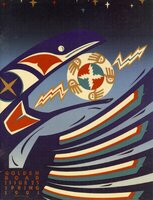
Issue 25 — Spring 1991
-
Blair Jackson's farewell editorial announcing that he and Regan McMahon are putting The Golden Road on indefinite hiatus following the birth of their son Kyle, with reflections on seven years of publishing the magazine and thanks to the people who helped along the way.
-
A recap of the band's first European tour since the Brent Mydland-era, an acoustic Garcia/David Grisman duo show at the Warfield with bassist Jim Kerwin and percussionist Joe Craven (debuting the song "Arabia"), word of the upcoming Garcia/Grisman studio album on Grisman's Acoustic Disc label, the long-awaited live Jerry Garcia Band CD, the first historic Dead CD release (the 8/13/75 Great American Music Hall show, remixed by Dan Healy), and a track-by-track rundown of the Deadicated tribute album produced by Ralph Sall.
-
Multi-author tour-review roundup covering the band's October 1990 European tour (Stockholm, Essen, Berlin, Frankfurt, Paris, London) and the December 1990/New Year's Oakland Coliseum run with guest Branford Marsalis.
-
A rare joint interview with Robert Hunter and Jerry Garcia at the Dead's Marin County office, discussing their decades-long songwriting partnership, childhood musical influences, the writing of songs from Blues for Allah through Cats Under the Stars, and how their collaborative process works.
-
Blair Jackson's year-end retrospective awards column for 1990, covering his favorite shows, song of the year, best/worst venues, and other superlatives, including tributes to Brent Mydland.
-
A Few Minutes With p. 40
An interview with new keyboardist Vince Welnick about his background with The Tubes and Todd Rundgren, auditioning for Brent Mydland's job, learning the band's huge repertoire, his working relationship with Bob Bralove's effects rig, and adjusting to life on the road with the Dead.
-
Funstuff p. 44
The magazine's recurring humor/trivia roundup, including Bob Weir and Bill Kreutzmann quotes on Deadhead fanaticism from Q magazine, Mickey Hart's donation of recording equipment to Bayview Recording Studio, and various pop-culture sightings of the band.
-
The magazine's last roundup of Grateful Dead references spotted in film and television, including The Simpsons, the documentary Berkeley in the '60s, White Palace, 20/20, Dominoes, and Spellbinder.
-
Tape Traders p. 49
Classified ads for tape trading among subscribers, plus farewell messages to Blair Jackson and Regan McMahon on the magazine's closing issue.
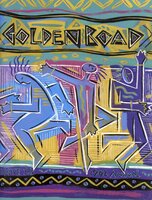
Issue 26 — 1992 Annual
-
Blair Jackson's editorial marking the magazine's return after a year-long hiatus following Issue 25, introducing new designer Michael Zipkin and reflecting on the Bruce Hornsby/Vince Welnick two-keyboardist era.
-
What's New for '92 p. 11
A news roundup covering 1992 hiatus rumors, the upcoming One From the Vault Vol. 2 (the Shrine Auditorium 8/24/68 show), a review of Tom Constanten's memoir Between Rock and Hard Places, a long-form Dead video project, Mickey Hart producing Airto's The Other Side of This, Ken Nordine's Devout Catalyst with Garcia and Grisman, a possible second Deadicated volume, the birth of Bruce Hornsby's twin sons, and the announcement of the Goin' Down the Road anthology book.
-
A 1/3/92 interview with Bob Weir covering the band's post-Brent identity, the dynamics of playing with both Bruce Hornsby and Vince Welnick, his blues influences (Robert Johnson, Willie Dixon, Muddy Waters), co-writing "Eternity" with Willie Dixon, his acoustic duo with Rob Wasserman, memories of being briefly fired from the band with Pigpen in 1968, and a planned album with Don Was producing.
-
Meet the JGB p. 24
Profiles of the Jerry Garcia Band's bandmates -- John Kahn, Melvin Seals, David Kemper, Jackie LaBranch and Gloria Jones -- on joining the band, their favorite songs to play, and life on the road, timed to the band's first live album and successful 1991 East Coast tour.
-
A multi-part tribute to promoter Bill Graham, who died in a helicopter crash on October 25, 1991: personal reminiscences and excerpted interviews with Graham, a group interview with Jerry Garcia, Bob Weir, Mickey Hart, Wavy Gravy and Bill's son David recorded just before the band's first post-Graham show, reviews of the four-night Oakland Coliseum memorial run (with Ken Kesey, Gary Duncan and Carlos Santana sitting in), and coverage of the free memorial concert at the Polo Fields in Golden Gate Park (over 300,000 attendees, with John Fogerty, Crosby Stills Nash & Young, Neil Young and Jackson Browne appearing).
-
Blair Jackson's 1991 Year in Review: highlights, lowlights and statistics from the band's $35-million, 77-show year, plus complete 1991 set lists and his 20 favorite shows (not indexed citation-by-citation per convention for set-list-heavy tour-review sections).
-
Reviews of the year's Dead-related releases: Deadicated, One From the Vault, Infrared Roses, the Garcia/Grisman album, the live Jerry Garcia Band album, Planet Drum, Robert Hunter's Box of Rain, Merl Saunders's Save the Planet So We'll Have Someplace to Boogie, and books including David Gans's Conversations With the Dead and Mickey Hart's Planet Drum.
-
Growin' Up Dead p. 59
Profiles of eight young adults raised within the Grateful Dead family: Ambrosia Healy (Dan Healy's daughter), Annabelle Garcia (Jerry and Carolyn's daughter), Creek Hart (Mickey's son), Cassidy Law (Eileen Law's daughter, namesake of the Weir/Barlow song), Rudson Shurtliff (Ram Rod's son), Eden Greene (Herbie Greene's daughter), Johnny Jordan (Annette Flowers's son), and Justin Kreutzmann (Bill's son and budding director).
-
A profile and extended conversation (with Steve Silberman) with Bob Bralove, the Dead's MIDI specialist, about assembling Infrared Roses from five years of Drums and Space tapes, his path from Stevie Wonder's and Merl Saunders's crews to the Dead, and his work developing keyboard textures with Brent Mydland and Vince Welnick.
-
A satirical fake BBC radio-documentary script narrated by fictional presenter "Reg Twigham," spoofing the Dead's origin story (The Warlocks, the Acid Tests, the band's name, Pigpen, the arrival of Mickey Hart, Anthem of the Sun) in mock-pompous British broadcasting style.
-
The recurring column on the origins of cover songs, this time focused on tunes introduced by the Jerry Garcia Band and on the Garcia/Grisman album: "Lay Down Sally," "See What Love Can Do," "You Never Can Tell," "The Thrill Is Gone," "Lazybones"/"Rockin' Chair," "Walking Boss," "Shining Star," "Everybody Needs Somebody to Love," "Ain't No Bread in the Breadbox," "What a Wonderful World" and "Bright Side of the Road."
-
Funstuff p. 89
The magazine's recurring humor/news grab-bag: a Madison, Wisconsin street-theater piece comparing the Dead scene to Nazi Germany, a congressman's backstage scuffle with road manager Cameron Sears at RFK Stadium, Dr. Oliver Sacks attending a Dead show after meeting Mickey Hart, a rundown of Bruce Hornsby's busy 1991, and warnings about overpriced bootleg CDs.
-
Tape Traders p. 95
Classified ads for tape trading among subscribers.
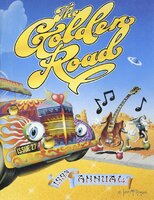
Issue 27 — 1993 Annual
-
Blair Jackson's editorial on Garcia's improved health after his summer 1992 illness, the band's continual musical evolution, and the issue's giant Pigpen retrospective.
-
What's New p. 11
A news roundup covering 1993 touring plans (including a summer stadium tour with Sting), the new songs debuted at the February 1993 Mardi Gras shows ("Lazy River Road," "Eternity," "Wave to the Wind," "Liberty," "Days Between," and Phil's cover of Robbie Robertson's "Broken Arrow"), Ornette Coleman & Prime Time sitting in, Bob Bralove's new band Vortex, John Oswald's Grey Folded "plunderphonics" project, and the upcoming second Weir-Wasserman tour and Garcia/Grisman album.
-
1992 in Review p. 20
Blair Jackson's year-in-review of 1992, dominated by Garcia's summer health crisis and tour cancellation, the four new songs introduced that year ("Corrina," "So Many Roads," "Wave to the Wind," "Way to Go Home"), Bruce Hornsby's departure from the touring band, and Vince Welnick's growing role, plus complete 1992 set lists (not indexed citation-by-citation per convention).
-
1992's Deadly Releases p. 36
Reviews of the year's Dead-related releases, including the Zabriskie Point soundtrack reissue (featuring "Dark Star") and reissues of two early-70s Merl Saunders/Garcia albums, Heavy Turbulence and Fire Up.
-
A career-spanning oral history of founding member Ron "Pigpen" McKernan, built from new and archival interviews with Jerry Garcia, Bob Weir, Bill Kreutzmann, Peter Albin, Ken Kesey and others, tracing his blues roots, his bandleading role in the early Warlocks/Grateful Dead, his struggles with alcoholism, his diminished role as the band's music grew more complex, and his death in March 1973.
-
An interview with longtime Grateful Dead Ticket Sales staff about the history and inner workings of the band's mail-order ticket operation, including the origins of the elaborate hand-decorated tickets and the office's relationship to Bill Graham Presents.
-
Oral-history excerpts drawn from Robert Greenfield's Bill Graham Presents: My Life Inside Rock and Out, with Jerilyn Brandelius, Bob Barsotti and Mickey Hart recalling how the band talked Bill Graham into backing the 1978 Egypt pyramid shows.
-
The recurring column on cover-song origins, covering The Who's "Baba O'Riley," The Beatles' "Tomorrow Never Knows," and Daniel Lanois's "The Maker."
-
Funstuff p. 88
The magazine's recurring humor/news grab-bag, including a Deadhead billboard fundraiser, a Catholic newspaper mix-up, and Deadhead athletes at the 1992 Winter Olympics including figure skater Christopher Bowman.
-
Tape Traders p. 94
Classified ads for tape trading among subscribers.